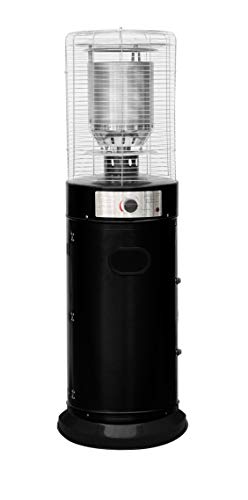
The Essential Guide to Buying Patio Heating: Everything You Need to Know
As the weather condition turns cooler, numerous house owners start to think about how to extend their outdoor living areas into the cold months. Patio heating enables for cozy gatherings under the stars, boosting year-round usability of patios, decks, and gardens. This post will offer a thorough introduction of patio heating options, elements to consider when purchasing, and answers to often asked concerns.
Types of Patio Heaters
Patio heaters been available in different styles and functionalities, each dealing with various user requirements. Here's a breakdown of the most popular options:
1. Propane Patio Heaters
- Description: These portable heaters work on propane gas cylinders.
- Benefits:
- Easy to move and establish.
- Offers immediate heat.
- Perfect for bigger outdoor locations.
- Factors to consider:
- Requires routine refilling of propane tanks.
- May be restricted by local regulations on outdoor gas appliances.
2. Natural Gas Patio Heaters
- Description: Connected straight to a gas line.
- Advantages:
- No requirement for filling up; a constant supply of hot gas.
- Cost-efficient in the long term for frequent use.
- Considerations:
- Requires professional setup.
- Less portable than propane heaters.
3. Electric Patio Heaters
- Description: Heaters powered by electrical energy.
- Benefits:
- Easy to set up and use; just plug them in.
- Perfect for small gatherings and restricted outdoor spaces.
- Considerations:
- Less powerful than gas heaters; might not warm big areas effectively.
- Requires access to electric outlets.
4. Infrared Heaters
- Description: Heaters that use infrared technology to warm items and people straight rather of heating the surrounding air.
- Benefits:
- Highly energy-efficient and eco-friendly.
- Rapid heat without waiting.
- Considerations:
- Effectiveness can be limited by wind.
- Normally more pricey than traditional heaters.
5. Fire Pits and Tabletop Fireplaces
- Description: Open flame units that can likewise serve as stylish outdoor design.
- Advantages:
- Multifunctional; offers heat and ambiance.
- Considerations:
- Requires constant supervision and upkeep.
- Less efficient heat distribution compared to other heaters.
Factors to Consider When Buying Patio Heaters
Purchasing patio heating needs cautious consideration to guarantee you purchase an unit that meets your specific requirements. Below are key elements to assess:
- Size of the Area:
The primary consideration is the size of the outdoor space you wish to heat. Bigger patio areas may require more powerful heaters or numerous units to disperse warmth efficiently. - Heating Capacity:
This is measured in BTUs (British Thermal Units). Normally, greater BTU ratings indicate a heater that can generate more heat. - Mobility and Placement:
Determine whether you choose a portable option or a repaired installation. Think of where you plan to position the heater, and how frequently you may require to move it. - Fuel Source:
Evaluate your preference for propane, gas, or electric designs based on schedule and benefit. Each fuel type has actually associated costs and considerations. - Safety Features:
Opt for designs geared up with security features such as tip-over protection and automated shut-off. This is crucial when utilizing heaters in outdoor spaces. - Design and Aesthetics:
Choosing a visually appealing heater can improve your outdoor environment. click through the following page for options that complement your existing furnishings and design. - Weather condition Resistance:
If the heater will remain outdoors all year, consider models designed to hold up against various weather condition elements such as rain or snow.
Comparison Table of Patio Heaters
| Type | Heat Source | Mobility | Price Range | Pros | Cons |
|---|---|---|---|---|---|
| Propane Patio Heaters | Propane Gas | High | ₤ 100-₤ 400 | Immediate heat, portable | Needs refilling, local regulations |
| Natural Gas Heaters | Natural Gas | Low | ₤ 300-₤ 700 | Continuous supply, economical | Needs setup |
| Electric Patio Heaters | Electrical power | High | ₤ 50-₤ 300 | Easy to utilize, no fuel needed | Restricted range and heat |
| Infrared Heaters | Electrical power | Medium | ₤ 150-₤ 500 | Efficient, immediate heat | Wind effects, greater expense |
| Fire Pits/ Fireplaces | Wood/Gas | Variable | ₤ 100-₤ 600 | Decorative, multifunctional | Needs supervision, upkeep |
FAQs About Patio Heating
1. How many BTUs do I require for my patio?
The variety of BTUs required depends on the size of your patio. A general guideline is:
- Up to 20 sq feet: 10,000 BTUs
- 20-50 sq feet: 20,000 BTUs
- 50-100 sq ft: 30,000 BTUs
2. Are patio heaters safe to use?
Yes, as long as safety guidelines are followed. Search for heaters with security features and ensure they are operated in well-ventilated areas.
3. Can electrical patio heaters be utilized inside?
It is not recommended to use outdoor heaters inside due to the danger of fire and carbon monoxide gas accumulation. Always confirm manufacturer standards.
4. What is the typical expense to run a patio heater?
Running expenses differ extensively based upon the kind of fuel and energy rates in your area. For electric units, average use might cost around ₤ 0.07-₤ 0.30 per hour.
5. How do I maintain my patio heater?
Regular maintenance involves clearing out any debris, checking gas connections for leakages, and guaranteeing that electrical elements are secure and working.
Purchasing patio heating is an exceptional method to extend the satisfaction of outdoor areas well into the cooler months. With various options offered, possible buyers must assess their special requirements, space dimensions, and chosen heating techniques. By considering the elements and contrasts provided in this post, house owners can make an educated choice and guarantee their patio remains a comfy social hub throughout the year.